Republic of Haiti
Haiti
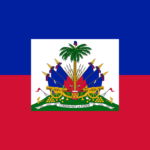
The Caribbean republic on the western third of Hispaniola, independent since 1804, and home to Radio Continentale in Gonaïves.
Capital
Port-au-Prince
Independence
1 January 1804
Languages
Creole and French
Population
12.2 million
The country
A republic shaped by mountains and the sea
Haiti’s name comes from the Indigenous Arawak place-name Ayti, “mountainous land.” About two-thirds of the country lies above 1,600 feet. It shares the island of Hispaniola with the Dominican Republic, with the Atlantic Ocean to the north and the Caribbean Sea to the south and west.
Port-au-Prince, founded in 1749, is the capital and largest city, on the Gulf of Gonâve. The official languages are Haitian Creole and French. Creole is the first language of the great majority of Haitians. The currency is the gourde, and the land area is 27,065 square kilometers.
Mount Selle, in the Massif de la Selle, is the highest point at 8,773 feet (2,674 meters). Encyclopaedia Britannica estimates the population at 12,153,000 in 2026.
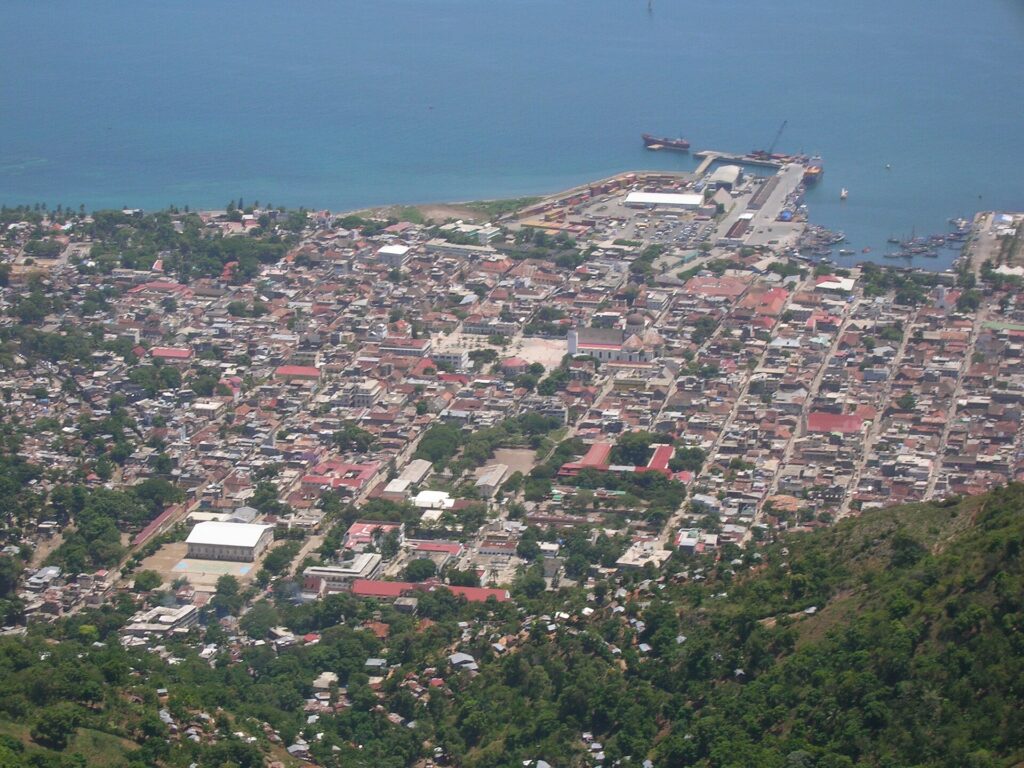
Gonaïves
The city of the proclamation
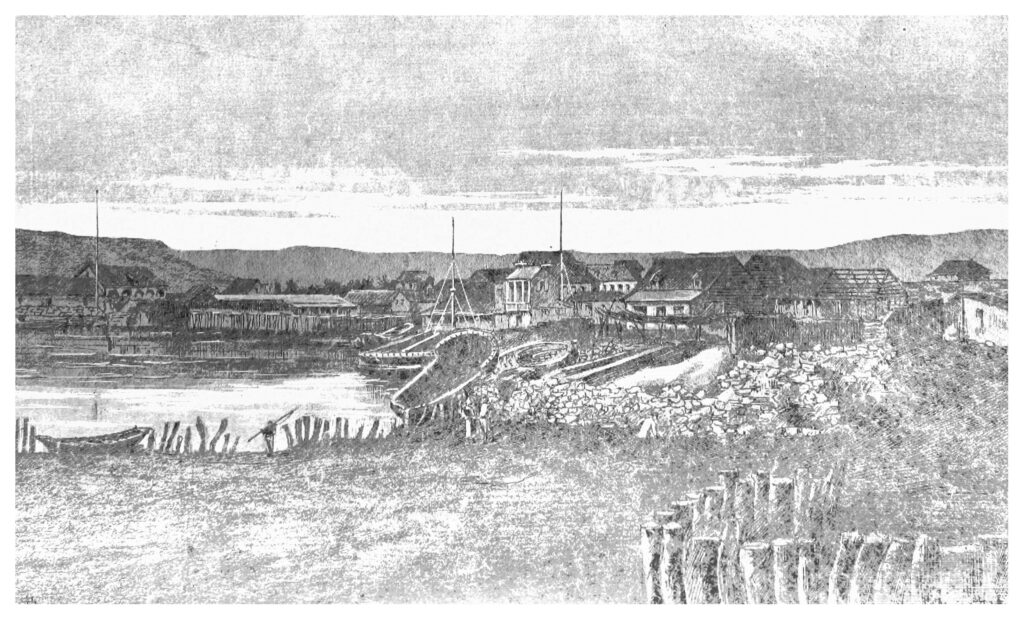
Radio Continentale broadcasts from Gonaïves, in the Artibonite. On 1 January 1804, Jean-Jacques Dessalines proclaimed independence here, and Haiti became the second country in the Americas, after the United States, to break from colonial rule. It was the first state born from a successful revolt of enslaved people.
The city faces the Gulf of Gonâve, beside the Artibonite Plain. The Artibonite River, the longest on Hispaniola at about 175 miles (280 kilometers), rises in the Dominican Republic and irrigates that plain before reaching the gulf.
Culture
Music, food, carnival, and the painted image
Haitian culture draws on African, French, Spanish, and Indigenous traditions. UNESCO has recognized living practices that families still pass on, from the New Year table to the dance floor.
Kanaval
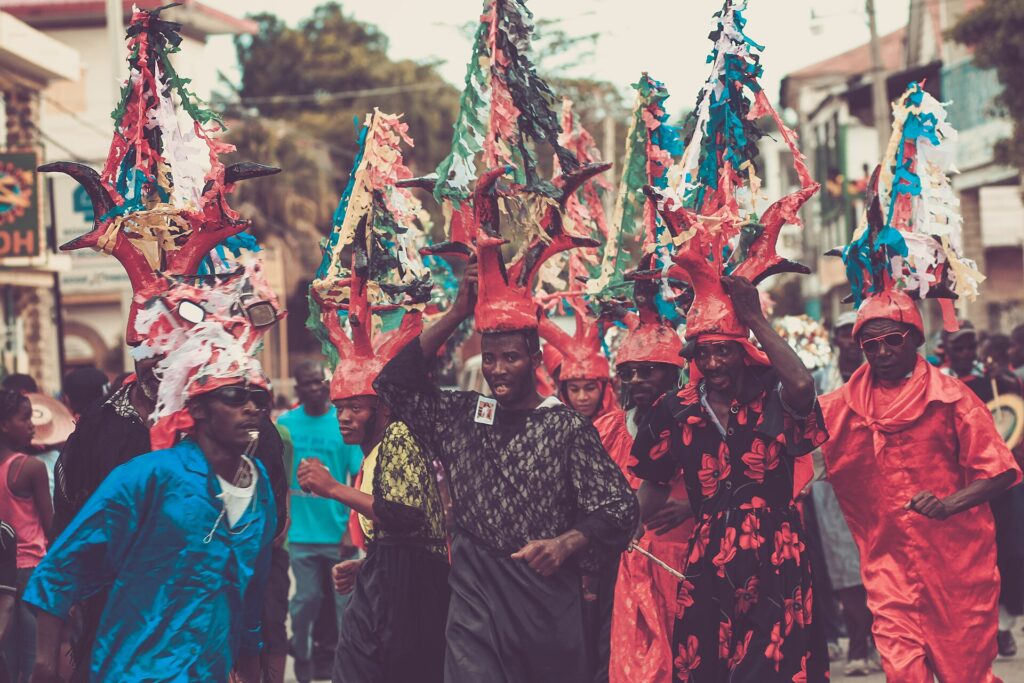
Carnival is one of Haiti’s great public arts. In Jacmel, masked performers fill the streets with costume, music, and satire. Rara processions carry the season through neighborhoods and the countryside.
Compas
In 2025 UNESCO inscribed the Compas of Haiti on the Representative List of the Intangible Cultural Heritage of Humanity. The music uses a syncopated rhythm with guitars, keyboards, and drums, and the dance is shared at celebrations and family milestones.
Soup joumou
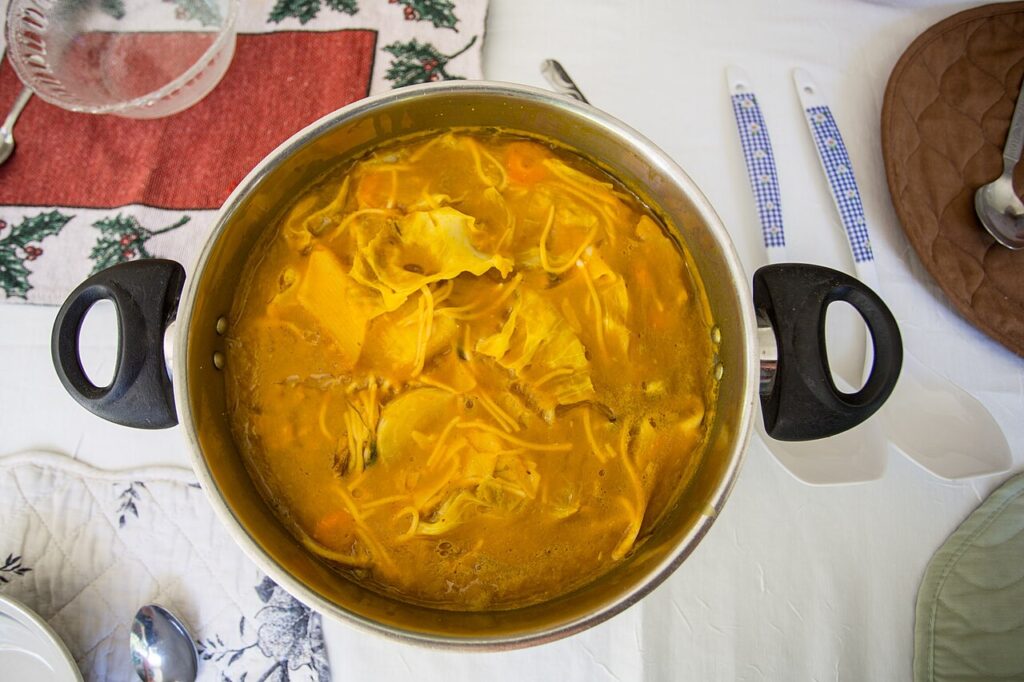
UNESCO inscribed joumou soup in 2021. Once reserved for slave owners, it became the meal of freedom, served on 1 January and as a Sunday breakfast.
Heritage
Citadelle, Sans-Souci, and the memory of 1804
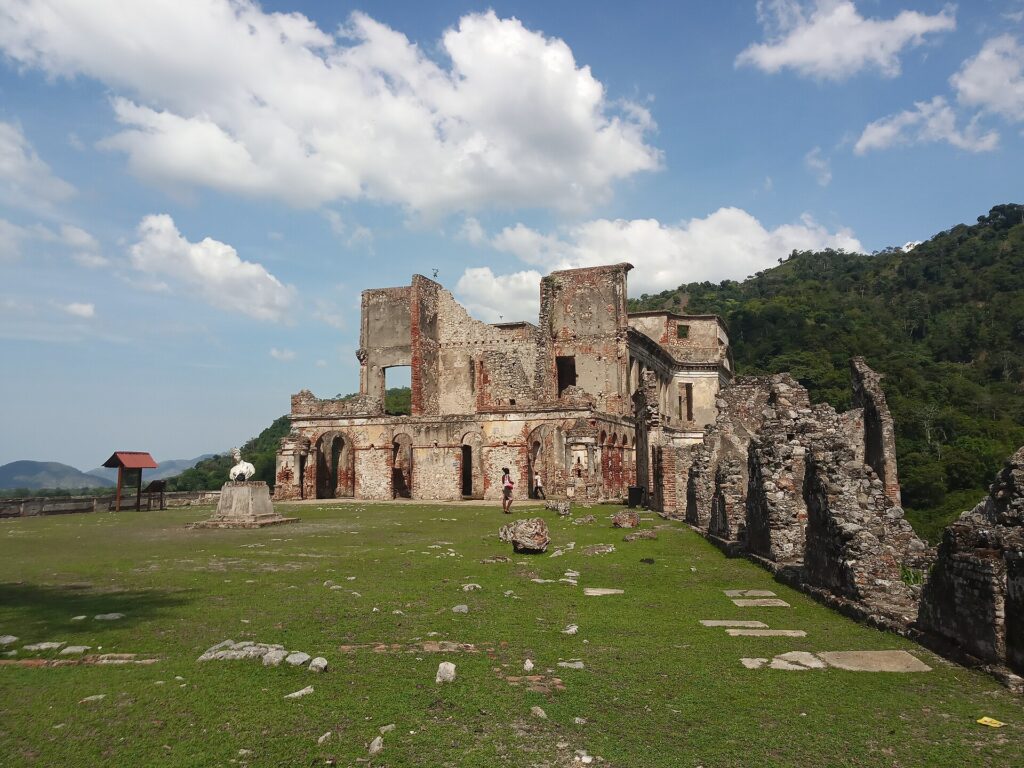
The National History Park — Citadelle, Sans-Souci, Ramiers — was inscribed on the UNESCO World Heritage List in 1982. Henry Christophe commissioned the Citadelle Laferrière above Cap-Haïtien in the early nineteenth century. The Palais Sans-Souci, inaugurated in 1813, was badly damaged by the 1842 earthquake and remains one of the Caribbean’s great ruins.
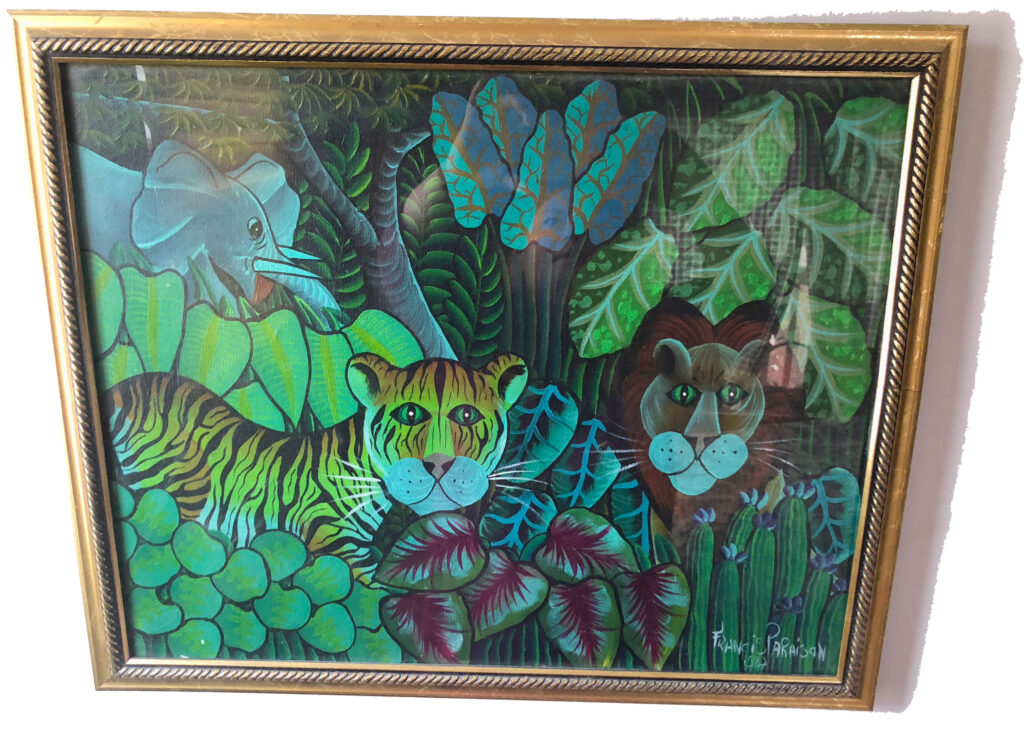
In Port-au-Prince, Le Marron Inconnu, by sculptor Albert Mangonès, honors the struggle for freedom. Haitian painting, including work by Francis Paraison, keeps daily life and landscape in vivid color.
Sports
Les Grenadiers are back at the World Cup
Football is Haiti’s most popular sport. The men’s national team, Les Grenadiers, played in the 1974 FIFA World Cup and qualified again for 2026, ending a 51-year absence. The tournament will be played in Canada, Mexico, and the United States.
CONCACAF reported that Haiti topped its final-round group. On 18 November 2025 in Willemstad, Haiti defeated Nicaragua 2–0. The Associated Press reported goals from Louicius Deedson and Ruben Providence.
News
Reporting worth reading
These are published reports from newsrooms and institutions. Open the original story for the full account.
Painting
Color as a national language
Haitian painting is one of the country’s best-known arts. Francis Paraison’s Jungle (1987) is the kind of vivid landscape that made this school recognizable far beyond Haiti: dense color, everyday imagination, and a scene that feels both local and dreamlike.
Diaspora
Haiti, carried across borders
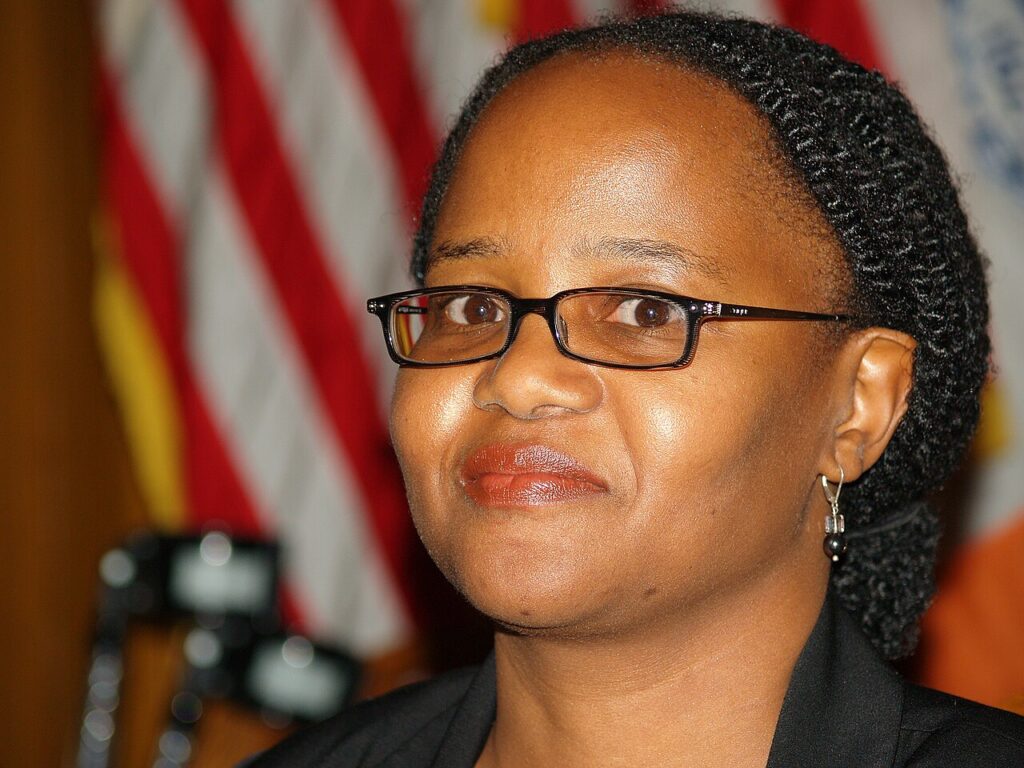
Haitian communities in the United States, Canada, France, the Dominican Republic, and across the Caribbean keep Creole, cooking, faith, and music in daily life. Writers have carried those stories further. Edwidge Danticat, a Haitian-American author, is among the best-known voices of that literature.
On the air from Gonaïves, Radio Continentale stays with the country those communities still call home. The station’s slogan remains Le Confort D’écoute.
Reference desk: Encyclopaedia Britannica, country profile of Haiti; UNESCO World Heritage Centre, National History Park — Citadelle, Sans-Souci, Ramiers; UNESCO Intangible Cultural Heritage listings for joumou soup (2021) and the Compas of Haiti (2025); FIFA and CONCACAF on 2026 World Cup qualification; Associated Press, 18 November 2025.